
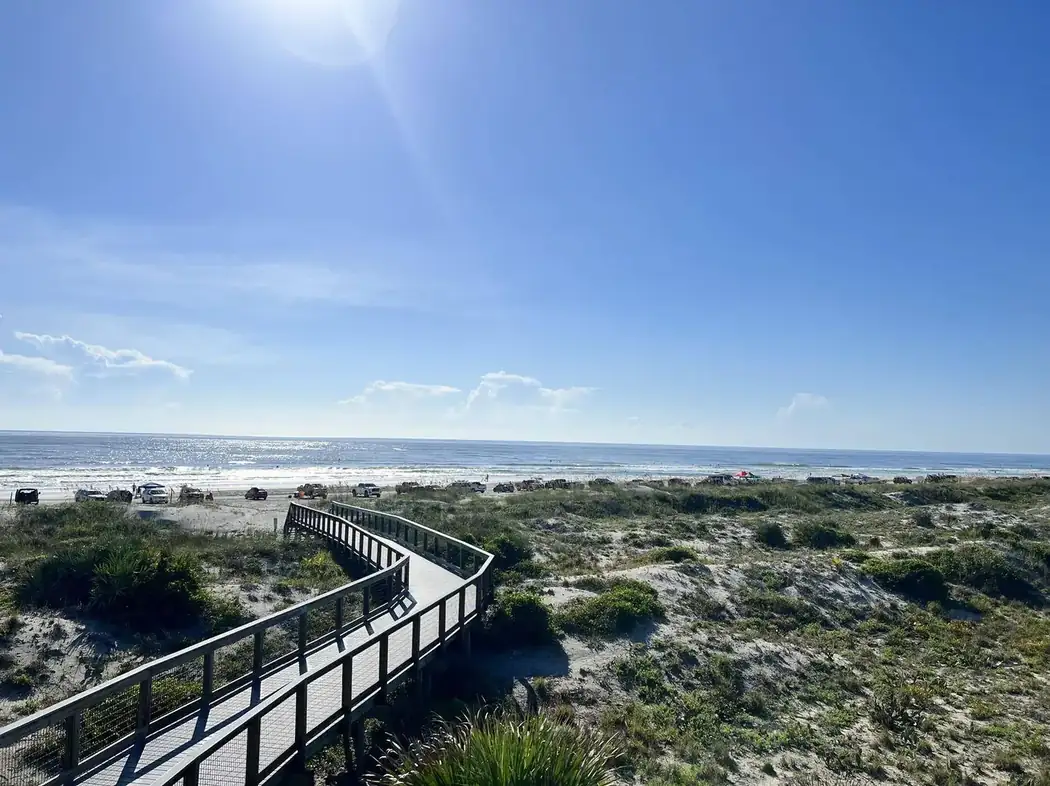
salt air & hard-packed sand

The Beaches of New Smyrna Beach

Beach Day Quick Facts
~13 milesof Atlantic beach across the New Smyrna Beach area
Drive-on sandin marked zones — one of only a few Florida beaches that still allow it
10 mphspeed limit on the sand, always
LifeguardsVolusia County Beach Safety Ocean Rescue patrols in season
Sea turtlesnesting season runs roughly May–October; conservation zones are protected
Sunrise sidefacing east — NSB is a famous sunrise beach
Driving on the Beach

Hours & season

Driving on the sand is allowed during daylight, tides permitting. From about May 1 to October 31 the beach is generally open to vehicles 8 a.m. to 7 p.m. (or sundown, whichever is earlier). From about November 1 to April 30 it runs sunrise to sunset. High tides, weather, and turtle-nesting closures can shorten or close access on a given day, so always follow the ramp attendants and posted signs.

Fees & passes

Volusia County residents can drive and park on the beach at no cost after registering their vehicle with the county's Park Volusia program (bring a valid driver's license and vehicle registration; property owners can bring a tax bill).

Visitors and non-residents pay a per-vehicle access fee. As of this writing that is roughly $30 for a day pass or $150 for an annual pass, plus tax and card fees. Day passes can be paid at the staffed beach ramp booths; annual passes are bought online at ParkVolusia.org, in the Volusia Beaches app, or at a Park Volusia office. Fees and rules change — confirm the current rate before you go.

Park Volusia office in New Smyrna Beach: 302 N. Causeway · (386) 217-0216 · ParkVolusia.org

Beach driving rules that matter

  • Obey the 10 mph limit and drive only in the marked lane east of the conservation line.
  • Park in the designated lane so you do not block the driving lane or the dune line.
  • Lifted and front-elevated vehicles are not allowed — if the front fender is raised more than about four inches versus the rear, it cannot drive on.
  • Watch for pedestrians, kids, and low-flying shorebirds; people always have the right of way.
  • Never drive over the marked conservation or turtle-nesting zones.
Where to Go on the Sand
Smyrna Dunes Park boardwalk at the north end of New Smyrna Beach

Smyrna Dunes Park (North End)

At the northern tip where the inlet meets the ocean, Smyrna Dunes Park offers elevated boardwalks through coastal dune habitat, big inlet and jetty views, restrooms, and a popular dog-friendly beach. A per-vehicle entry fee applies. Address: 2995 N. Peninsula Ave.
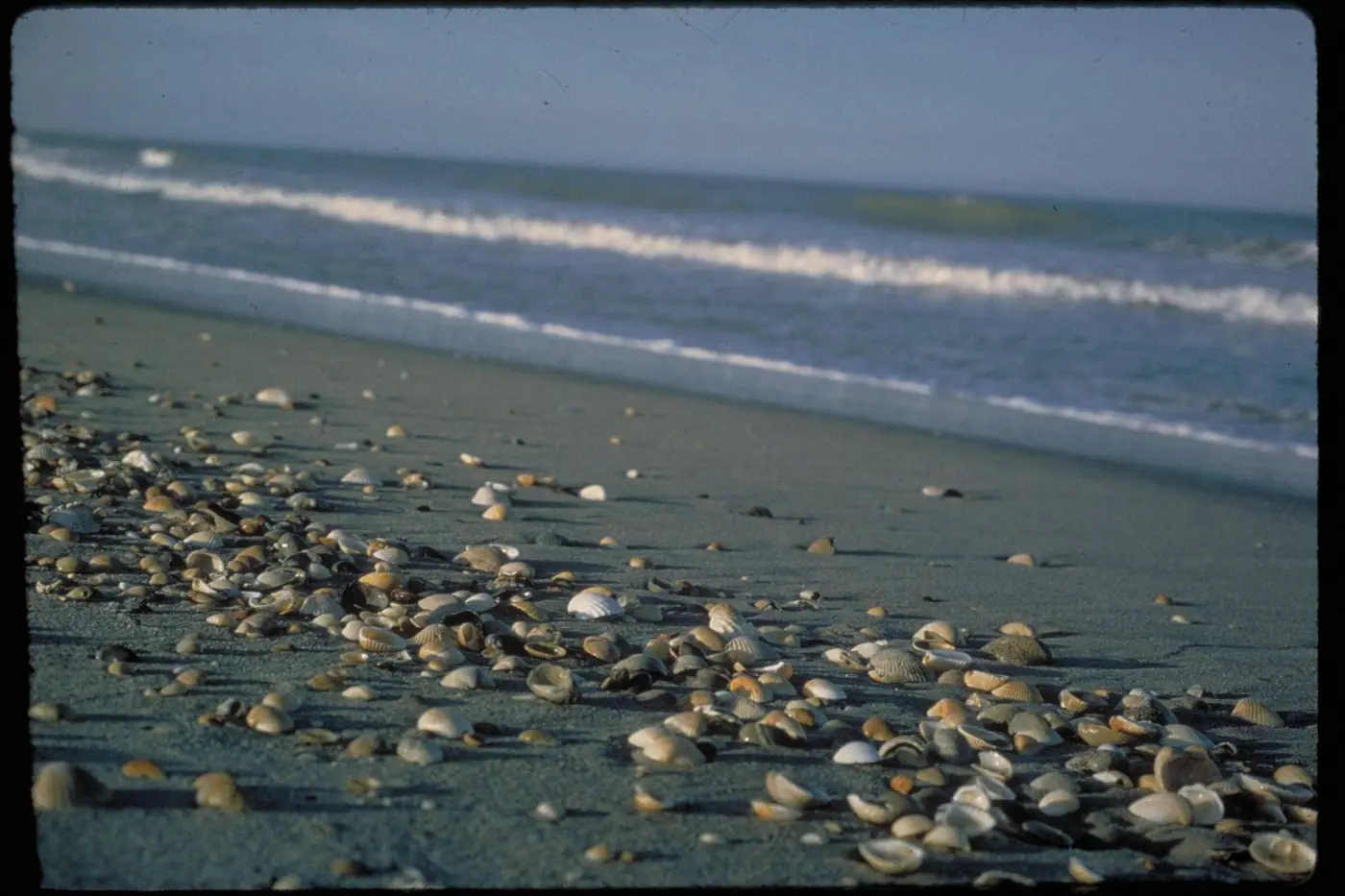
Canaveral National Seashore natural beach south of New Smyrna Beach

Apollo Beach & Canaveral National Seashore (South End)

South of town, Apollo Beach sits inside Canaveral National Seashore — miles of undeveloped, natural shoreline with its own federal entrance fee. It is quieter and wilder than the in-town beach. Note that the far north end near Lot 5 is a known clothing-optional area, so plan a family visit accordingly.

Prefer No Cars? Family Traffic-Free Zones

If you would rather not share the sand with vehicles, head to the traffic-free stretch. Park at 27th Avenue Beachfront Park to step right onto the start of the no-drive zone, then walk south toward Silver Sands and Bethune Beach for calm, car-free family space. Lifeguards patrol the busy stretches in season.

Parking Off the Beach

City beachfront lots

New Smyrna Beach runs five beachfront parking lots. Expect a $20 daily fee (9 a.m.–5 p.m.) or use an NSB Parking Permit. Note: a city lot permit does not let you drive or park on the sand — that is a separate Volusia County pass.

County off-beach lots

Volusia County maintains 60+ off-beach lots, most within a short walk of an access point, covered by the Park Volusia program. Residents register free; visitors pay a daily or annual rate.

Boat ramps

City boat ramp parking runs about $10 for 24 hours. Kiosks at the beachfront and boat-ramp lots take cards and cash, but bring exact change.

Beach Safety You Should Know

Rip currents & flags

The most important beach-day rule: swim near a lifeguard and learn the flag colors (green is calm, yellow is moderate, red is high hazard, double red means the water is closed). If you are ever caught in a rip current, do not fight it — stay calm, float, and swim parallel to shore until you are free, then angle back in.

About the "shark bite" reputation

New Smyrna Beach is sometimes called the "shark bite capital" because the inlet area sees a high number of minor, nip-style bites each year. Serious incidents are genuinely rare. Lower your odds the easy way: shuffle your feet in the shallows, stay out of murky water near the inlet, avoid swimming around bait schools or active fishing, and skip dawn and dusk swims. Millions enjoy this water every year without issue.

Sun, heat & the little stuff

Florida sun is no joke — bring reef-safe sunscreen, water, and shade. Watch for the occasional jellyfish in summer. Glass containers and open fires are not allowed on the beach, and please pack out what you pack in to protect the dunes and wildlife.

Best Moments on the NSB Sand

Catch sunrise with coffee from a Flagler Avenue café. Time low tide to walk the wide, glassy sandbars where kids splash in ankle-deep pools. Watch for dolphins just past the break and shorebirds working the wrack line. On clear days you can even catch a rocket launch arcing up the Space Coast sky to the south.

Run a beach business? Surf shops, rentals, charters, beachside dining and stays can be listed in the NSB101 local directory — and upgraded with full details when you are ready.

Get Listed